Food & Mood: Gut-Brain Connection Guide
Key Takeaways
Your gut produces 95% of your serotonin. Emerging research in 2026 links ultra-processed foods to anxiety and depression. Learn how to feed your 'second brain' for better mental health with our comprehensive guide and meal plan.
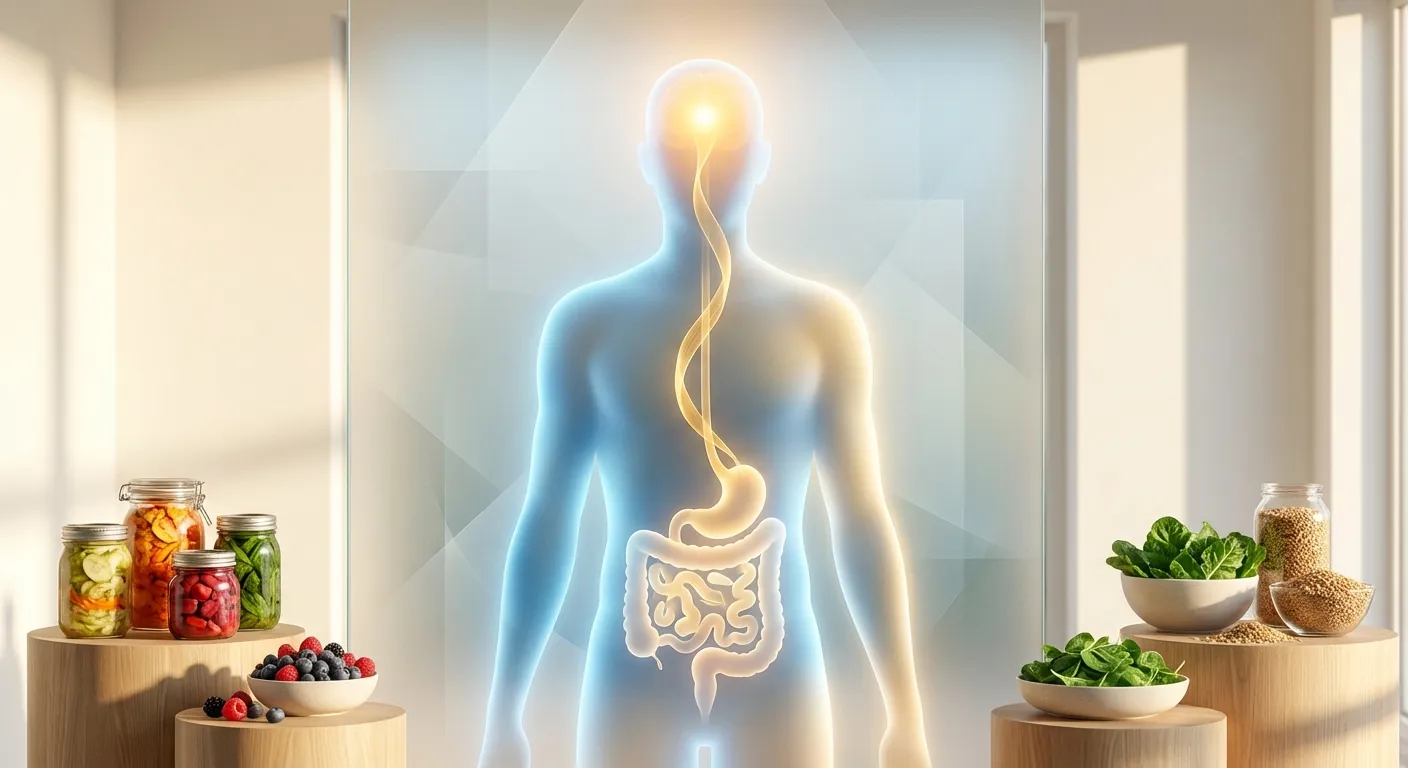
Have you ever felt "butterflies in your stomach" before a big presentation? Or experienced a "gut feeling" about a decision that you couldn't explain logically? These aren't just metaphors. They are real, physical signals from your Enteric Nervous System (ENS), often called your "second brain."
For decades, modern medicine treated mental health and digestive health as completely separate disciplines. If you were sad, you saw a psychiatrist; if you had a stomach ache, you saw a gastroenterologist. But in 2026, the rapidly growing field of Nutritional Psychiatry has proven that they are inextricably linked.
What you eat doesn't just fuel your body; it builds your brain chemicals, regulates your stress hormones, and even dictates your happiness.
The Short Answer: Yes, Food Controls Your Mood
The connection between your gut and your brain is bidirectional. This means your brain sends signals to your gut (why you lose your appetite when stressed), and your gut sends signals to your brain (why you feel sluggish, irritable, or anxious after a weekend of junk food).
Key Takeaway: You cannot have a healthy mind without a healthy gut. Improving your diet is one of the most effective, low-risk interventions for better mental health.
The Anatomy of the Connection: How It Works
The communication highway between your gut and brain is called the Gut-Brain Axis. It's a complex network, but it works through three main channels:
1. The Vagus Nerve: The Superhighway
The Vagus Nerve is the longest cranial nerve in your body, running from your brainstem all the way to your abdomen. It acts like a high-speed fiber optic cable, transmitting messages instantly.
- Fun Fact: 80-90% of the fibers in the Vagus Nerve carry information from the gut to the brain, not the other way around. This explains why gut distress can instantly ruin your mood.
2. Chemical Messengers: Your Gut Makes Your Happiness
You might think neurotransmitters are made in the brain, but the gut is the primary factory for many of them:
- Serotonin: Approximately 95% of your body's serotonin (the "happiness hormone") is produced in your gut.
- GABA: This neurotransmitter helps control feelings of fear and anxiety. Certain probiotic strains (like Lactobacillus rhamnosus) have been shown to increase GABA production.
- Dopamine: While mostly associated with the brain's reward system, the gut also produces dopamine, influencing your motivation and cravings.
3. The Immune Pathway: Inflammation
Your gut houses 70% of your immune cells. If your gut is inflamed from poor food choices, it releases cytokines—inflammatory chemicals. These cytokines can cross the blood-brain barrier and trigger neuroinflammation, which manifests as symptoms of depression, fatigue, and "brain fog."
The "Leaky Gut" Theory of Depression
One of the most compelling theories in 2026 is the link between intestinal permeability ("leaky gut") and depression.
When you eat a diet high in processed foods, the tight junctions of your intestinal wall can loosen. This allows bacteria and toxins (specifically Lipopolysaccharides or LPS) to "leak" into your bloodstream. Your body recognizes these as invaders and mounts an immune response.
This chronic, low-grade inflammation puts the brain into a state of "sickness behavior"—a biological mechanism designed to make you withdraw, rest, and heal. In modern life, this looks exactly like depression: social withdrawal, lack of energy, and loss of interest in pleasure.
The Villains: Foods That Sabotage Your Mood
If whole foods are medicine, Ultra-Processed Foods (UPFs) are the disruptors. Foods high on the NOVA scale are designed to be hyper-palatable, but they wreak havoc on your microbiome.
1. Ultra-Processed Foods (NOVA 4)
A 2025 study found that individuals with a diet high in UPFs had a 40% higher risk of developing depression.
- Why: They lack fiber (starving good bacteria) and contain emulsifiers that can erode the gut's mucus layer.
2. Refined Sugars
High sugar intake causes rapid spikes and crashes in blood glucose. This "rollercoaster" triggers the release of cortisol (stress hormone) and adrenaline, leading to irritability, anxiety, and panic attacks.
3. Artificial Sweeteners
While calorie-free, some sweeteners like aspartame and sucralose may alter the microbiome composition, favoring bacteria associated with glucose intolerance and inflammation.
The Heroes: "Psychobiotics" and Mood-Boosting Foods
Scientists have coined the term "Psychobiotics" for probiotics that yield specific mental health benefits. But you don't always need a pill; you can get them from food.
1. Fermented Foods (The Gold Standard)
The landmark SMILES Trial was one of the first randomized controlled trials to show that dietary improvement could treat major depression. A key component was fermented foods.
- Eat: Kimchi, Kefir, Sauerkraut, Miso, Tempeh.
- Why: They deliver live beneficial bacteria directly to your gut.
2. Prebiotic Fiber (The Fertilizer)
Probiotics need food to survive. Prebiotics are non-digestible fibers that feed your good bacteria.
- Eat: Garlic, Onions, Leeks, Asparagus, Bananas (especially slightly green ones), Oats.
3. Omega-3 Fatty Acids
Your brain is 60% fat. Omega-3s are essential for building brain cell membranes and reducing neuroinflammation.
- Eat: Fatty fish (Salmon, Mackerel, Sardines), Walnuts, Chia seeds, Flaxseeds.
4. Polyphenols
These are plant compounds that act as antioxidants and feed gut bacteria.
- Eat: Dark Chocolate (85%+ cocoa), Berries, Green Tea, Turmeric.
Comparison: The "SAD" Diet vs. The Psychobiotic Diet
Making the right choice isn't always obvious. Here is a simple guide to swapping foods for better mental clarity.
| Feature | Standard American Diet (SAD) | Psychobiotic Diet (Gut-Healthy) |
|---|---|---|
| Primary Effect | Increases inflammation, spikes insulin | Reduces inflammation, stabilizes blood sugar |
| Gut Impact | Reduces microbial diversity, promotes "leaky gut" | Increases diversity, strengthens gut barrier |
| Mood Outcome | "Sugar crash," irritability, anxiety, brain fog | Sustained energy, calm focus, resilience to stress |
| Key Foods | Soda, White Bread, Processed Meats, Candy | Leafy Greens, Fermented Foods, Fatty Fish, Nuts |
One-Day Gut-Brain Meal Plan
Want to try it out? Here is a simple menu designed to maximize serotonin production and minimize inflammation.
- Breakfast: Greek Yogurt Bowl. Unsweetened Greek yogurt (probiotics) topped with walnuts (omega-3s), blueberries (polyphenols), and a drizzle of honey.
- Lunch: Salmon & Quinoa Salad. Grilled salmon (omega-3s) over quinoa (fiber) with spinach, avocado, and a lemon-olive oil dressing.
- Snack: Dark Chocolate & Almonds. A square of 85% dark chocolate and a handful of raw almonds (magnesium).
- Dinner: Kimchi Fried Rice (with Brown Rice). Brown rice (fiber) stir-fried with kimchi (fermented), tofu or chicken, and plenty of veggies.
- Drink: Green Tea or water throughout the day. Avoid sugary sodas.
How to Start Your Gut-Brain Reset
You don't need to overhaul your entire diet overnight. Start with these simple steps:
- Eat 30 Plants a Week: Diversity in plants = diversity in the microbiome. This includes fruits, veggies, nuts, seeds, and spices.
- Cut the "Beige" Foods: Reduce processed carbohydrates that feed harmful bacteria.
- Check the NOVA Score: Use the Food For You app to scan your groceries. If a product is NOVA 4 (Ultra-Processed), try to find a less processed alternative.
Ready to take control of your gut health? Stop guessing if your food is healthy. Use our app to instantly analyze ingredients, check the NOVA score, and find hidden additives that might be affecting your mood.
Start your journey to better health today
References
- Jacka, F. N., et al. (2017). A randomised controlled trial of dietary improvement for adults with major depression (the 'SMILES' trial). BMC Medicine. Link
- Johns Hopkins Medicine. (2025). The Brain-Gut Connection. Link
- UCLA Health. (2026). You are what you eat: Diet may affect your mood and brain function. Link
- Frontiers in Microbiomes. (2025). The gut–brain connection: microbes' influence on mental health. Link
- Mass General Brigham. (2025). How Food Affects Your Mood. Link
- Mental Health America. (2024). The Gut-Brain Connection. Link
Frequently Asked Questions
Team Food For You
Reviewed by: Dr. Arthur Price
The Food For You team combines AI technology with nutrition science to help people make safer, healthier food choices.
Learn more about usMedical Disclaimer
The content provided in this blog is for informational purposes only and does not constitute medical advice. Always consult with a qualified healthcare professional for diagnosis and treatment of allergies.
Related Articles
Metabolic Health 101: Beyond Weight Loss
Stop obsessing over the scale. Discover why metabolic health is the true indicator of longevity and learn about the dangers of the 'skinny fat' phenotype.
AI vs Human Nutritionist: 2026 Guide
Can an algorithm replace a dietitian? We compare cost, accuracy, and personalization of AI nutrition apps vs. human experts in 2026.
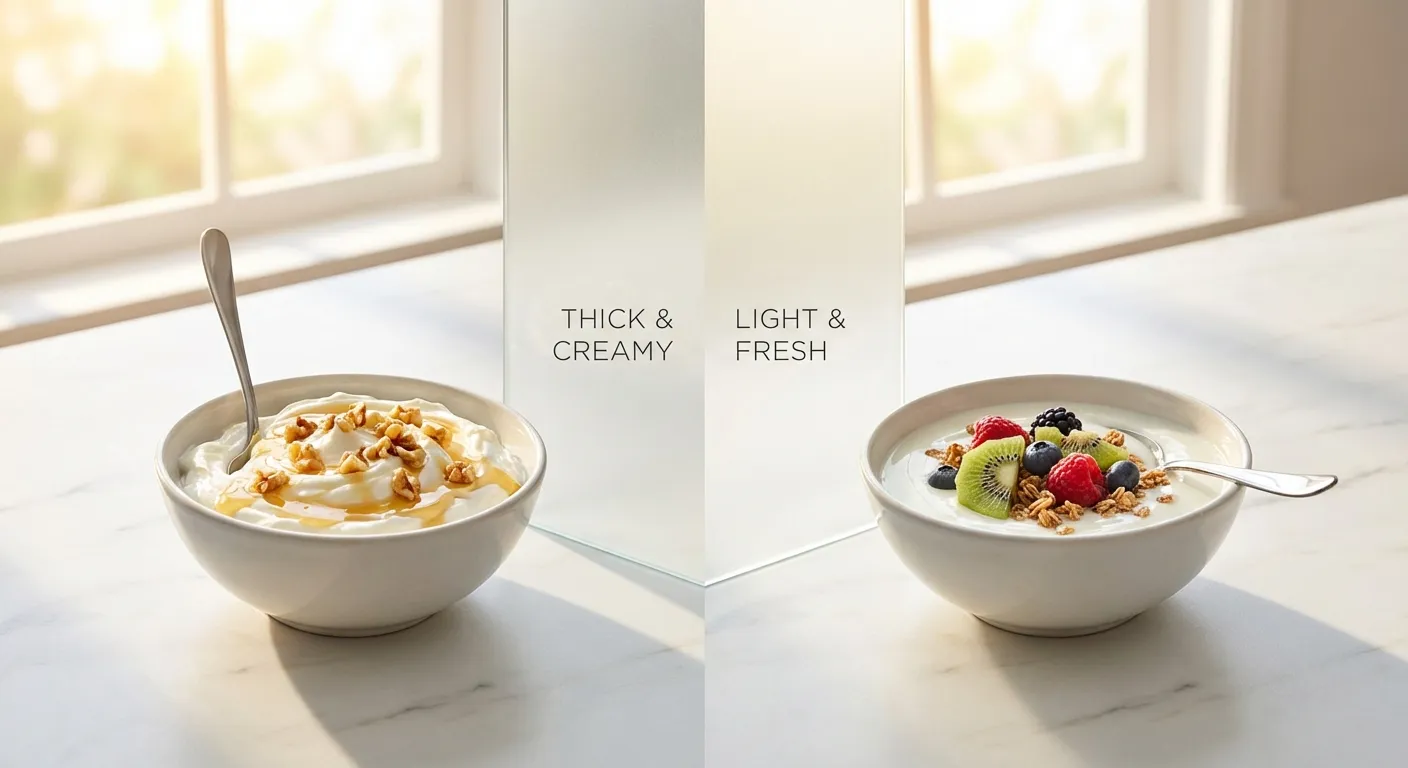
Greek vs Regular Yogurt: Nutrition Duel
Confused in the dairy aisle? We compare Greek vs. Regular yogurt on protein, calcium, and processing to help you choose the best option for your goals.
