Keto 2.0: From Dirty to Whole Foods Keto
Key Takeaways
Dirty Keto focuses only on low carbs, often relying on ultra-processed foods. Keto 2.0 emphasizes nutrient density, plant-based fats, and fiber. Learn how to upgrade your diet for long-term health.
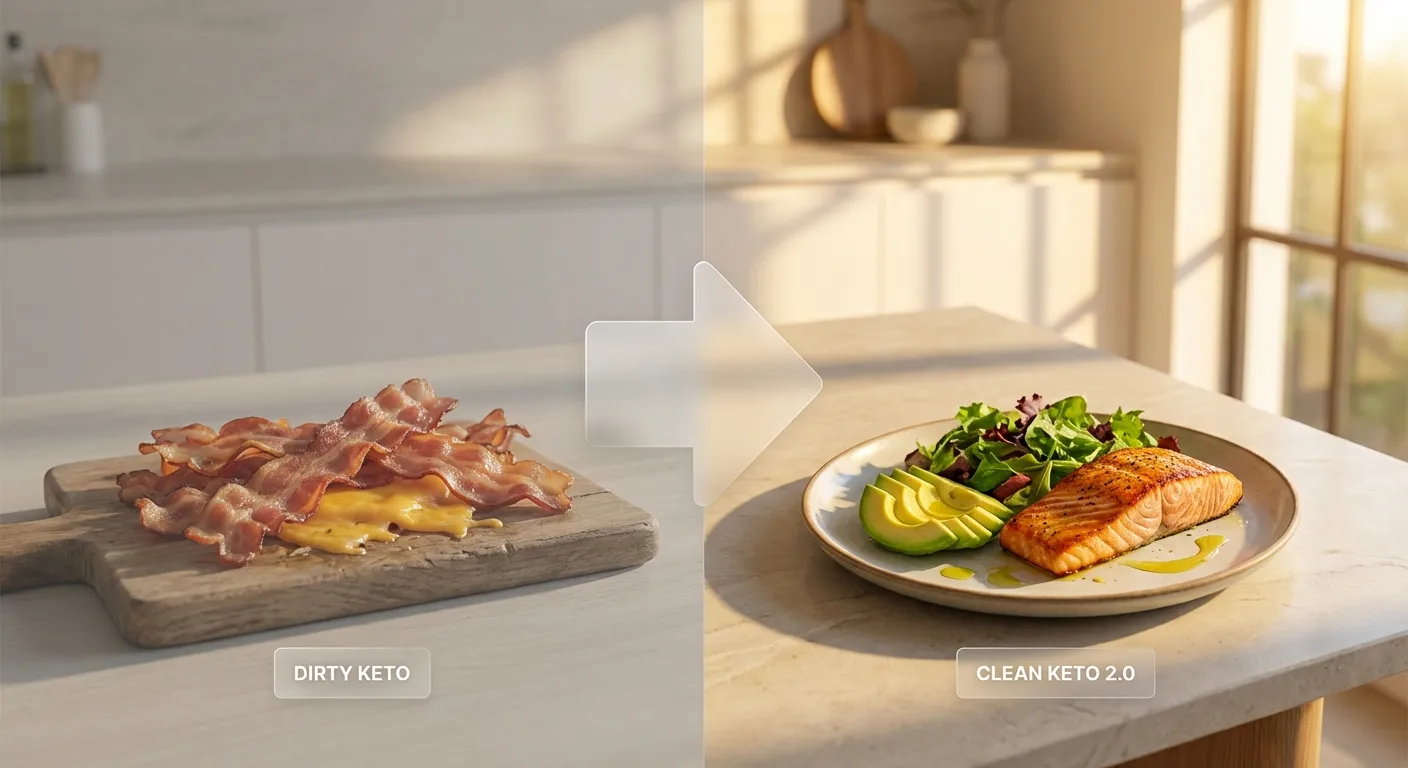
For years, the Ketogenic diet has been the gold standard for rapid weight loss. The rule was simple: keep carbs under 20g, and eat as much fat as you want. This led to the rise of "Dirty Keto"—a diet fueled by bacon, processed cheese, and packaged "keto-friendly" snacks.
But in 2026, the conversation has shifted. We're seeing the long-term effects of ignoring food quality, and they aren't always pretty. Enter Keto 2.0: a smarter, cleaner, and more sustainable approach that prioritizes what you eat, not just the macros.
The Short Answer
Keto 2.0 is a high-fat, low-carb diet that focuses on nutrient density and food quality. Unlike traditional "Dirty Keto," which permits processed foods as long as they are low-carb, Keto 2.0 emphasizes whole foods, plant-based fats (like avocado and olive oil), lean proteins, and fiber-rich vegetables. It often allows a slightly higher carbohydrate intake (up to 20% of calories) to support gut health.
The Hidden Dangers of "Dirty Keto"
"Dirty Keto" (or Lazy Keto) became popular because it was easy. You could grab a fast-food burger (bunless), snack on pork rinds, and eat "Keto Bombs" loaded with artificial sweeteners. While you might lose weight initially due to ketosis, this approach has significant downsides that are becoming increasingly clear in 2026 research.
1. The LDL Cholesterol Trap
Not all cholesterol is created equal. While traditional keto can raise LDL, Dirty Keto—high in processed saturated fats from bacon and cheap cheese—tends to increase small, dense LDL particles, which are more atherogenic (artery-clogging). Clean Keto, rich in monounsaturated fats from olive oil and nuts, promotes larger, fluffier LDL particles which are less harmful.
2. Microbiome Starvation
Your gut bacteria need fiber to survive. Dirty Keto is notoriously low in fiber. Without it, the protective mucus layer of your gut can degrade, leading to "leaky gut" and systemic inflammation. This is why many people on Dirty Keto experience bloating and digestive issues despite cutting carbs.
3. The "Ultra-Processed" Deception
Many "Keto" bars and cookies are Ultra-Processed Foods (NOVA Group 4). They might be low in sugar, but they are high in emulsifiers (like carboxymethylcellulose) and artificial sweeteners (like sucralose) that can disrupt your metabolism and even trigger insulin responses.
Tip: Not sure if your "Keto" bar is actually healthy? Use the Food For You service to scan the ingredients and check its NOVA score.
Enter Keto 2.0: The Upgrade
Keto 2.0 isn't just about being in ketosis; it's about metabolic health. It integrates the principles of the Mediterranean Diet with low-carb eating.
The New Macros (50/30/20)
Traditional Keto is often 75% Fat, 20% Protein, 5% Carbs. Keto 2.0 shifts this balance:
- 50% Fat: Primarily from plant sources and fish.
- 30% Protein: Adequate protein to support muscle mass (crucial for longevity).
- 20% Carbs: Specifically from fiber-rich vegetables, nuts, seeds, and berries.
Key Pillars of Keto 2.0:
- Plant-Forward Fats: Swap bacon grease for olive oil, avocado oil, nuts, and seeds.
- Fiber is King: The carb limit is often relaxed (e.g., 50g net carbs) to allow for massive salads, roasted veggies, and berries.
- Clean Protein: Focus on wild-caught fish, grass-fed beef, and plant-based proteins rather than processed deli meats.
- NOVA Awareness: Avoiding ultra-processed foods, even if they claim to be "Keto Friendly."
Dirty Keto vs. Keto 2.0: The Showdown
Here is how the two approaches compare side-by-side:
| Feature | Dirty Keto | Keto 2.0 (Clean Keto) |
|---|---|---|
| Primary Goal | Rapid Weight Loss | Longevity & Health |
| Fat Sources | Bacon, Butter, Cheese, Seed Oils | Avocado, Olive Oil, Nuts, Fish |
| Carb Limit | Strict (<20g/day) | Flexible (<50g/day) |
| Vegetables | Minimal / Optional | Essential (Half your plate) |
| Processed Foods | Allowed if low-carb | Avoided (NOVA 1-3 only) |
| Fiber Intake | Low (<10g) | High (>30g) |
A Day of Eating: Comparison
To visualize the difference, let's look at a typical day.
❌ Dirty Keto Day
- Breakfast: Bacon, eggs fried in butter, coffee with heavy cream.
- Lunch: Bunless double cheeseburger from a fast-food chain.
- Snack: "Keto" protein bar (processed) and pork rinds.
- Dinner: Pepperoni slices with melted mozzarella cheese.
- Result: High saturated fat, zero fiber, high preservatives.
✅ Keto 2.0 Day
- Breakfast: Chia seed pudding made with almond milk and topped with raspberries.
- Lunch: Large salad with grilled salmon, avocado, pumpkin seeds, and olive oil dressing.
- Snack: Handful of macadamia nuts or a hard-boiled egg.
- Dinner: Zucchini noodles with pesto and grilled chicken breast.
- Result: High fiber, anti-inflammatory fats, nutrient-dense.
Top 5 Swaps to Upgrade Your Diet
Ready to switch to Keto 2.0? Start with these simple swaps:
- Instead of: Bacon and Eggs every morning.
- Try: Smoked Salmon with Avocado and Poached Eggs.
- Instead of: "Keto" Cookies (full of sugar alcohols).
- Try: A bowl of raspberries with a handful of walnuts.
- Instead of: Cheese Crisps.
- Try: Homemade Kale Chips roasted in olive oil.
- Instead of: Burger with American Cheese.
- Try: Grass-fed Beef Patty with a large arugula salad.
- Instead of: Soybean or Canola Oil.
- Try: Extra Virgin Olive Oil or Coconut Oil.
Why Food Quality Matters More Than Macros
In 2026, we know that a calorie is not just a calorie. A 200-calorie avocado affects your body very differently than a 200-calorie pack of "Keto" gummies.
The avocado provides fiber, potassium, and monounsaturated fats that nourish your cells. The gummies provide gelatin, artificial colors, and sweeteners that may trigger insulin responses despite being "sugar-free."
Using tools like the Food For You helps you look beyond the nutrition label. By analyzing the ingredients, you can ensure you aren't accidentally filling your body with ultra-processed chemicals while thinking you're being healthy.
Conclusion
Keto 2.0 is the natural evolution of the low-carb lifestyle. It moves away from the "hack your body" mentality of Dirty Keto and towards a sustainable, nourishing way of eating. By focusing on whole foods and quality ingredients, you can enjoy the benefits of fat-burning without compromising your long-term health.
Ready to clean up your diet? Register for Food For You today to start scanning your food and making smarter choices.
References
- Harvard T.H. Chan School of Public Health. (2024). Diet Review: Ketogenic Diet for Weight Loss. Retrieved from hsph.harvard.edu
- Healthline. (2025). Dirty vs. Clean Keto: All You Need to Know. Retrieved from healthline.com
- National Institutes of Health (NIH). (2023). Impact of Ultra-Processed Foods on Metabolic Health. Retrieved from ncbi.nlm.nih.gov
- Medical News Today. (2024). What to know about Keto 2.0. Retrieved from medicalnewstoday.com
- U.S. News & World Report. (2025). Clean Keto vs. Dirty Keto: What's the Difference? Retrieved from health.usnews.com
Frequently Asked Questions
Team Food For You
Reviewed by: Dr. Arthur Price
The Food For You team combines AI technology with nutrition science to help people make safer, healthier food choices.
Learn more about usMedical Disclaimer
The content provided in this blog is for informational purposes only and does not constitute medical advice. Always consult with a qualified healthcare professional for diagnosis and treatment of allergies.
Related Articles
Metabolic Health 101: Beyond Weight Loss
Stop obsessing over the scale. Discover why metabolic health is the true indicator of longevity and learn about the dangers of the 'skinny fat' phenotype.
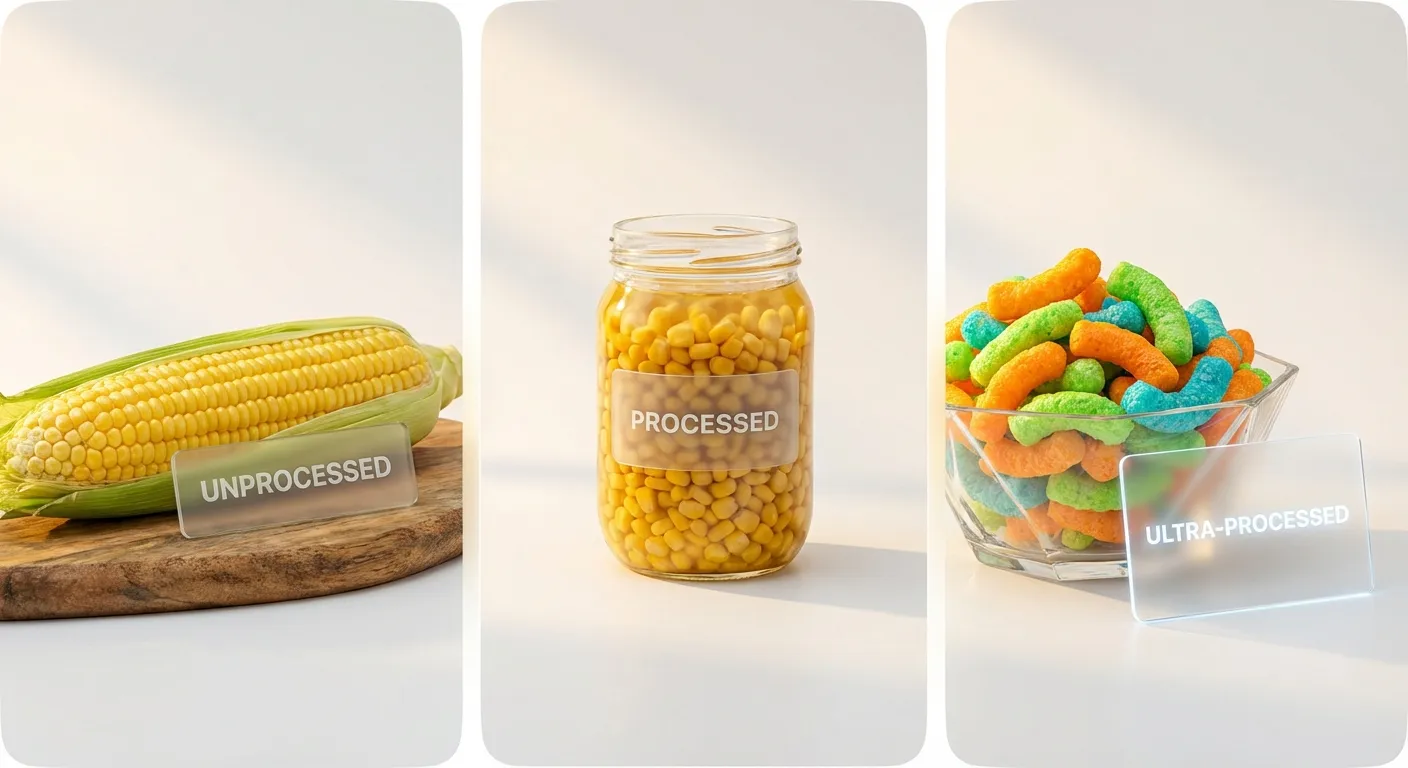
Processed vs Ultra-Processed: NOVA Guide
Not all processed foods are harmful. Discover the scientific distinction between processed and ultra-processed foods and their impact on your health.
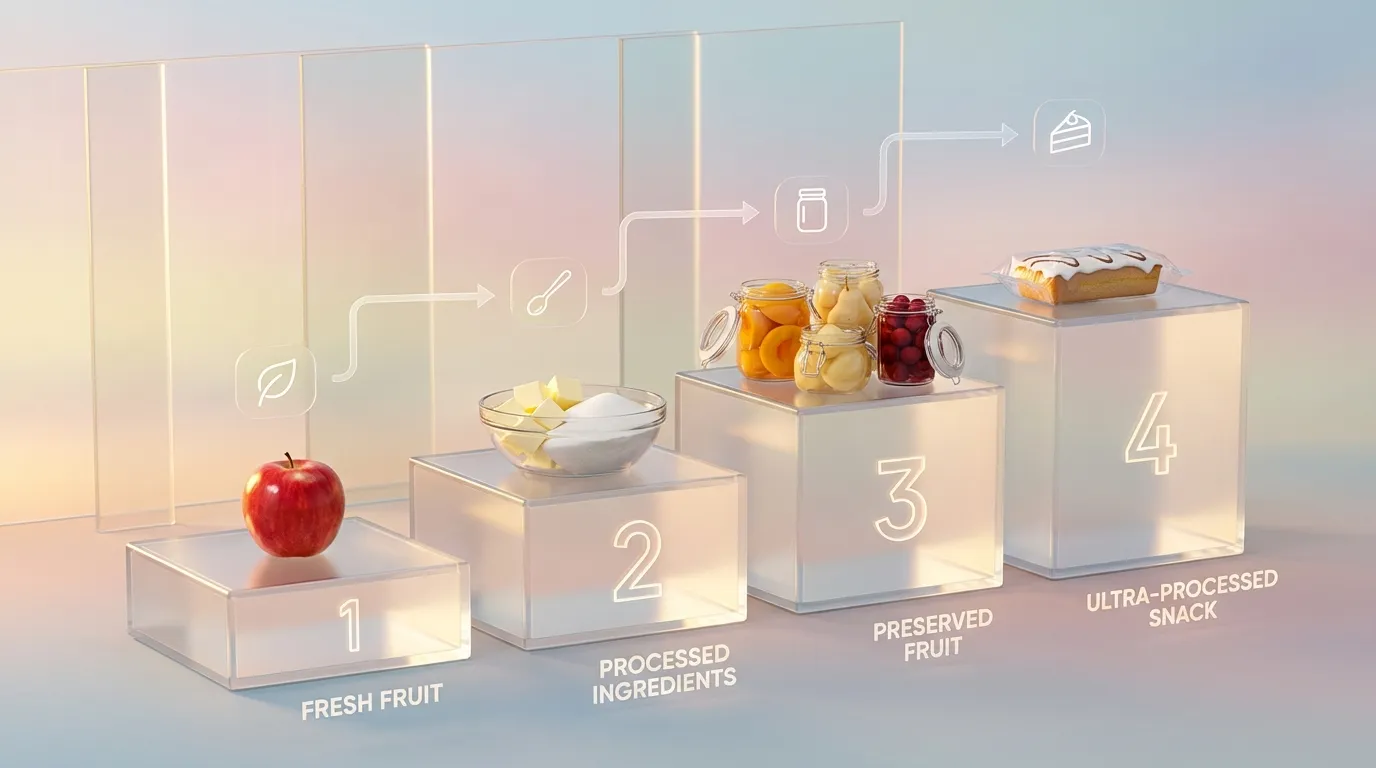
What is NOVA Scale? Food Quality Guide
Stop counting calories and start looking at processing. A guide to the NOVA classification system, its 4 groups, and why it predicts health outcomes.
